
Registered Educator Apprenticeships without strong partnerships are like a car with flat tires — you might move, but it’s going to be a bumpy ride! It’s the partnership conversations that keep things rolling smoothly and preparing future educators to get behind the wheel. What’s most exciting is how these collaborations break down barriers, build bridges, and dismantle the silos, creating a district-led approach that fully supports both aspiring teachers and the communities they serve.
So, who are the key players that make Registered Apprenticeship Programs (RAPs) for educators actually work? You already know the Department of Labor and the Department of Education as they create the framework, but the real magic happens through a team on the ground. These folks don’t just check boxes—their conversations develop, implement, and maintain the program to make sure it’s effective, supportive, and truly beneficial for everyone involved. Let’s meet the core players who keep RAPs running smoothly:
1. Local Education Agency (LEA)
The LEA, usually the local BOCES, school district, private or charter school, is where apprentices will actually do their on-the-job training. They are the “employer” and typically the sponsor of the program. Think of it as the real-world classroom where future educators practice their craft. LEAs have a major investment in how the program runs. They know what their schools need, how training can align with their priorities, and collaborate on where apprentices should be placed. As the employer and (potentially) sponsor their voice is amplified and allows them to target the talent pipeline they need.
2. Unions
Unions are invested in this work and sometimes act as joint sponsors. These are the future teachers, their future constituency. In NYS all public schools and some charters or privates are collectively bargained and have union involvement. In RAPs, unlike other programs, unions can negotiate a stipend for the experienced educator working with the apprentice which honors the work and investment of time in guidance, modeling and coaching. They may even represent the Apprentice, negotiating compensation, benefits, and working conditions. The experienced educator, the union member, working with the apprentices will also make sure apprentices aren’t overwhelmed juggling coursework and hands-on teaching. Think of them as a critical part of the support system that ensures apprentices are not only learning but also thriving in their learning and work environment.
3. Institution of Higher Education (IHE)
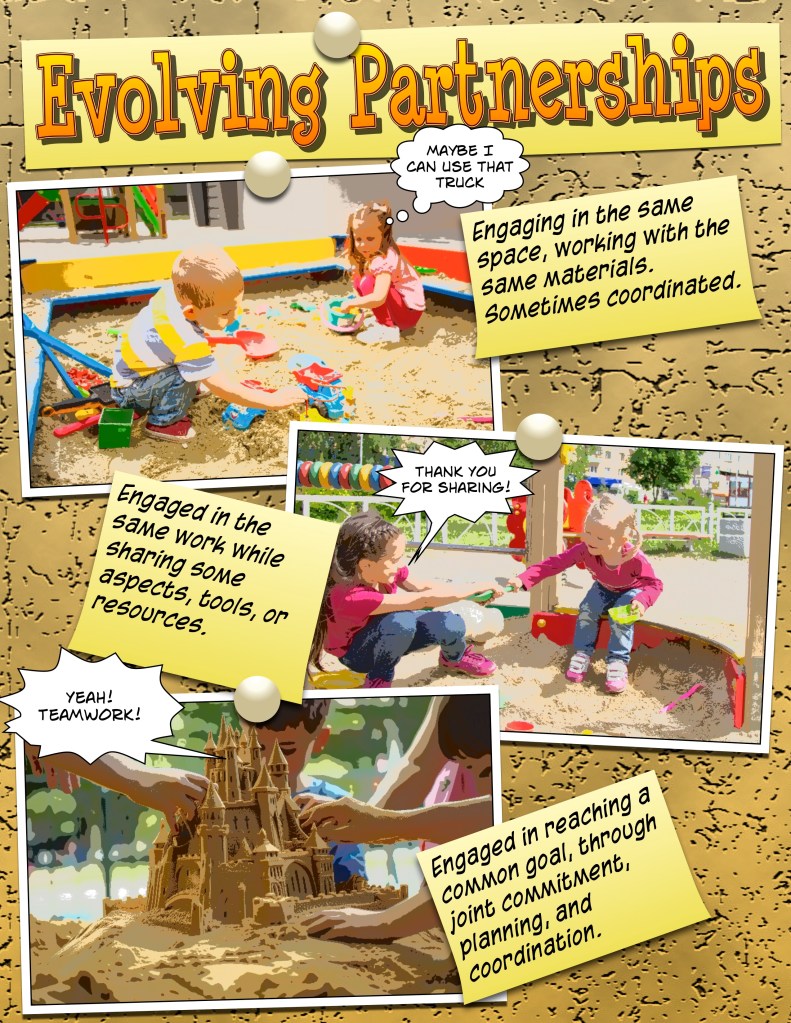
Colleges and universities come in as the academic partner, providing some or all the coursework, which in DOL terms is known as related instruction (RI). This is the instruction apprentices need to meet certification requirements. But this isn’t just about ticking off classes. The IHEs are working with the LEA to meet their priorities, integrate the apprentice’s learning into the experience, and offer apprentices degree credits that contribute toward NYS certification—building qualifications that can further their career path. One of the coolest things about the RAP model is how it changes the traditional relationship between these players and it is continually evolving. We will continue to explore this evolution as it builds shared ownership and why that is beneficial for everyone! So stay tuned!

 It's a Rap
Leave a comment